Meet our garden plants, their botanical names and traditional uses. Open a profile to read more about each plant.
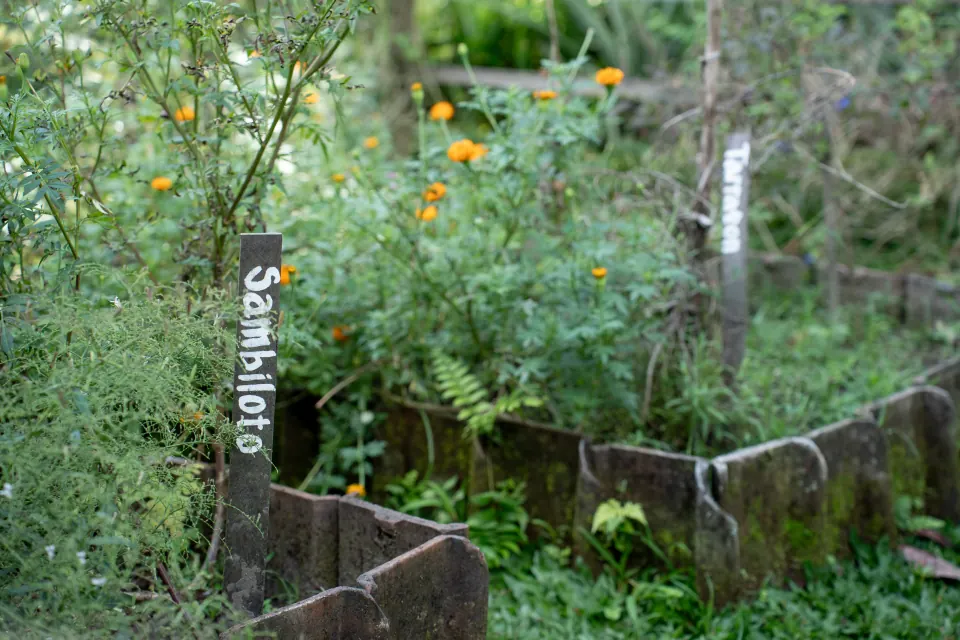
Our herbal garden, Ubud.
A closer look
Meet our medicinal plants
18 plants to explore
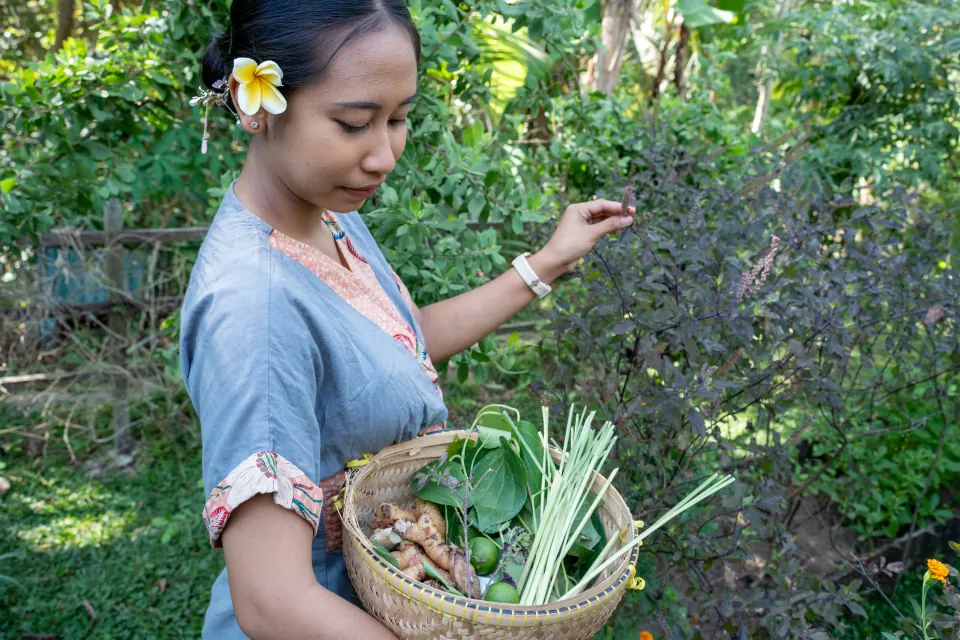
From our garden
Tulsi
Holy Basil
Ocimum tenuiflorum
Traditional qualities & areas of study
Antioxidant
Aromatic
Uplifting
Balancing
Revered in India as a sacred plant, Tulsi is traditionally associated with respiratory and digestive wellbeing, mental clarity and resilience.
Read more
Its aromatic leaves contain naturally occurring plant compounds with antioxidant activity and are used in many traditional preparations.
From our garden
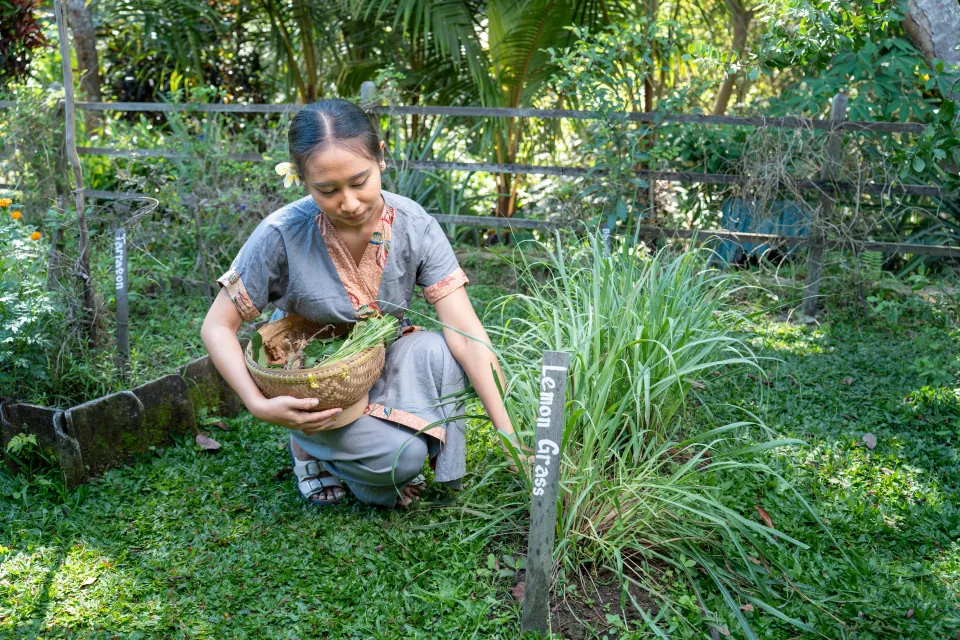
Lemongrass
Cymbopogon spp.
Traditional qualities & areas of study
Aromatic
Refreshing
Antioxidant
Cleansing
Fragrant Lemongrass is valued across tropical herbal traditions for its fresh citrus aroma.
Read more
Its leaves and essential oil contain aromatic plant compounds and are used in a variety of traditional preparations, from infusions and bathing rituals to topical and aromatic applications.
From our garden
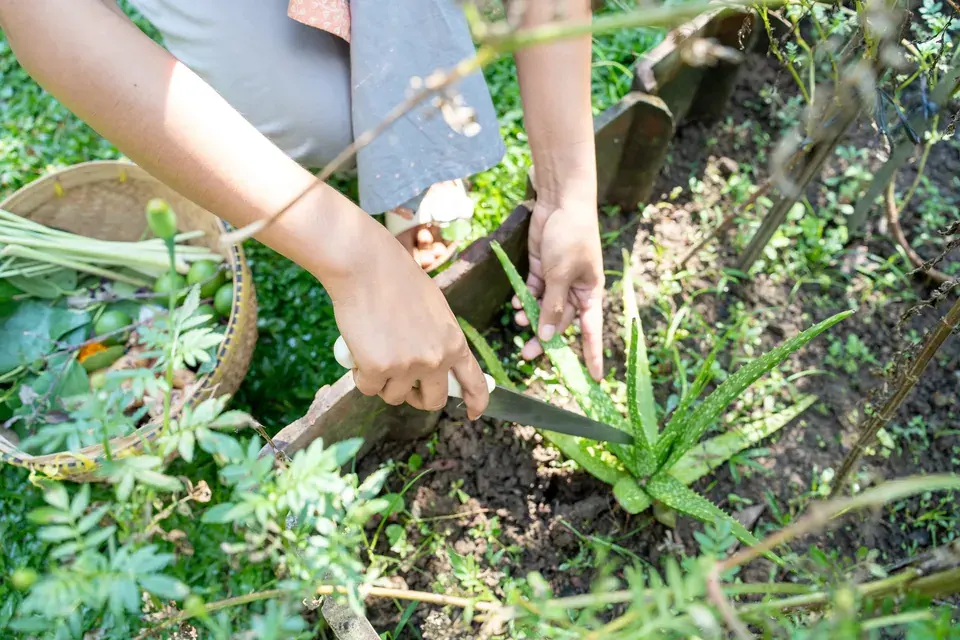
Aloe Vera
Kumari
Aloe vera
Traditional qualities & areas of study
Cooling
Hydrating
Soothing
Skin Care
Aloe Vera is prized for the cooling, soothing and hydrating qualities of its inner leaf gel.
Read more
It has a long tradition of use in skin and beauty preparations and is particularly appreciated in warm climates and for dry or heated skin.
AI illustration
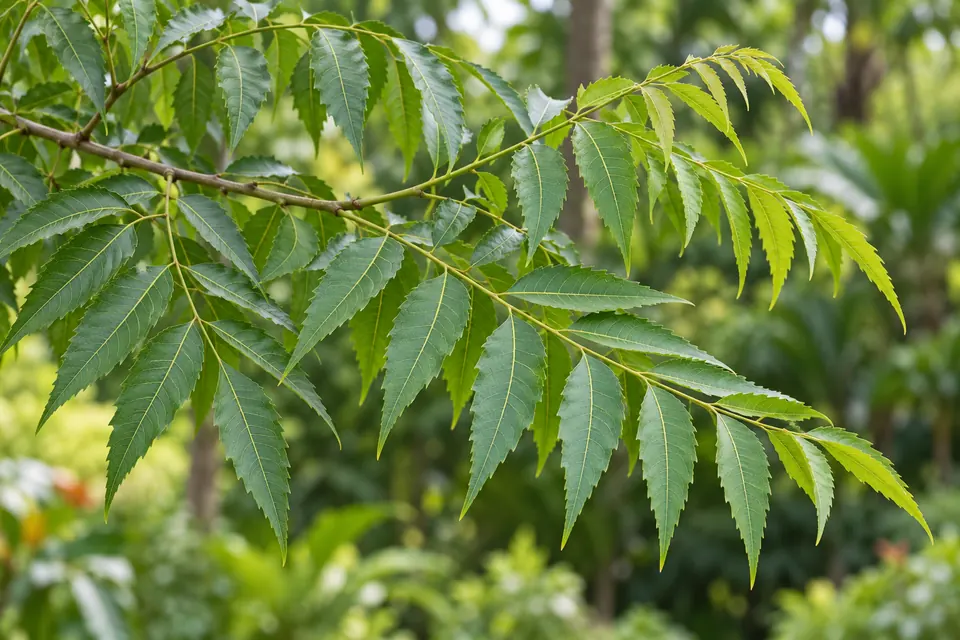
Neem
Nimba
Azadirachta indica
Traditional qualities & areas of study
Purifying
Antimicrobial
Antioxidant
Skin & Scalp
One of Ayurveda's best-known medicinal trees, Neem is traditionally valued for its cooling and cleansing qualities.
Read more
Its leaves, bark, seeds and oil have a long history of use in preparations for the skin and scalp. Neem contains numerous naturally occurring compounds studied for antimicrobial, antioxidant and anti-inflammatory activity.
AI illustration
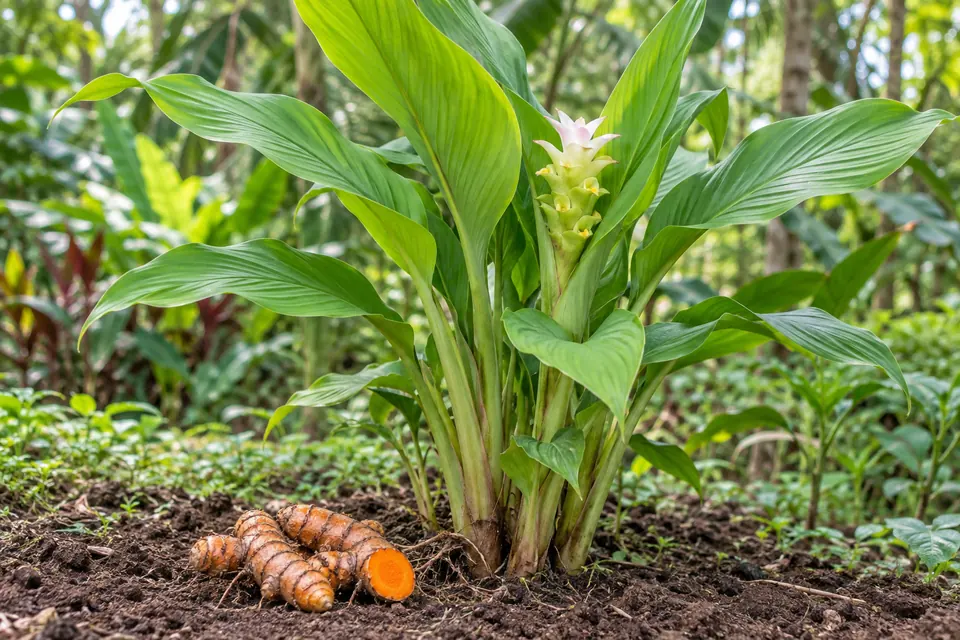
Turmeric
Haridra
Curcuma longa
Traditional qualities & areas of study
Anti-inflammatory
Antioxidant
Cleansing
Skin Care
The brilliant golden rhizome of Turmeric has been treasured in Ayurveda for centuries.
Read more
Rich in curcuminoids, it is widely known for antioxidant and anti-inflammatory activity and has a long tradition of internal and external use, including herbal oils, pastes, beauty preparations and wellness formulations.
AI illustration
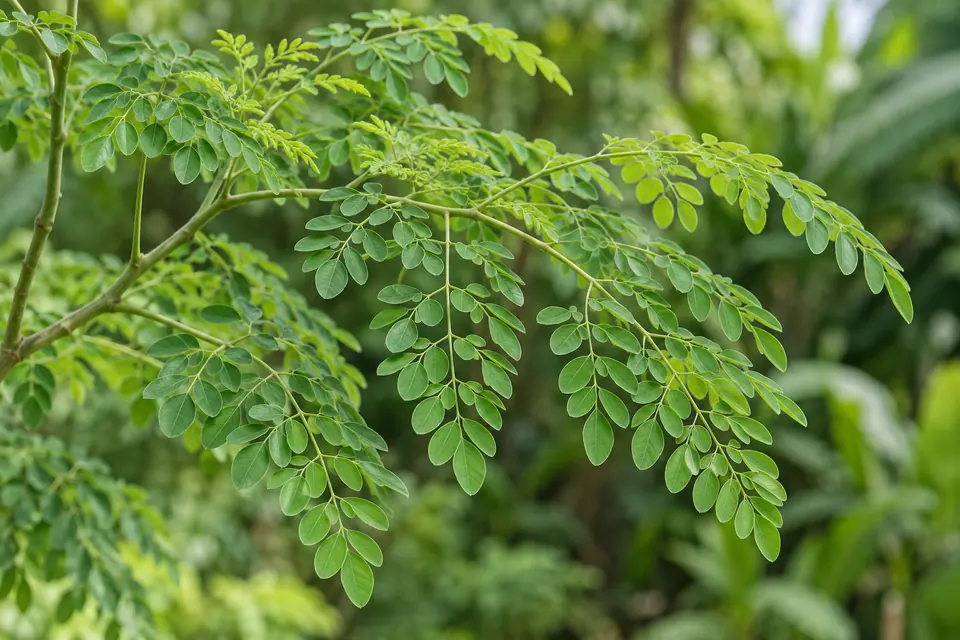
Moringa
Shigru
Moringa oleifera
Traditional qualities & areas of study
Antioxidant
Nourishing
Anti-inflammatory
Skin Care
Moringa is a nutrient-rich tree whose leaves, seeds and oil have a long history of traditional use.
Read more
It contains antioxidant plant compounds and is valued in both wellness and natural skin-care preparations for its nourishing and conditioning qualities.
AI illustration
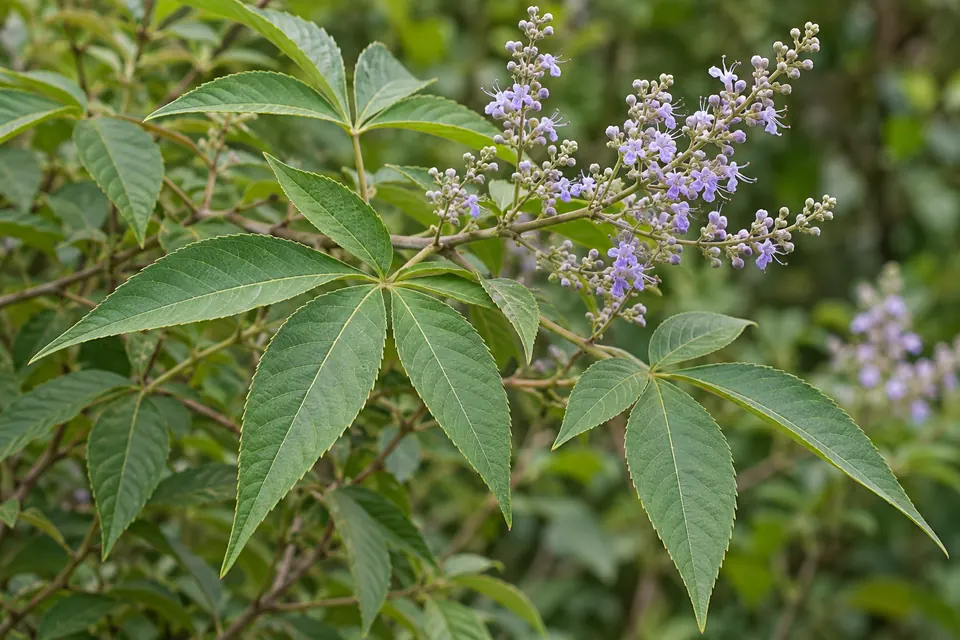
Nirgundi
Vitex negundo
Traditional qualities & areas of study
Anti-inflammatory
Warming
Muscles & Joints
Nirgundi is especially valued in traditional Ayurvedic external therapies.
Read more
Its leaves have long been incorporated into herbal oils, warm poultices and fomentations associated with muscular and joint comfort. The plant contains compounds studied for anti-inflammatory and antioxidant activity.
AI illustration
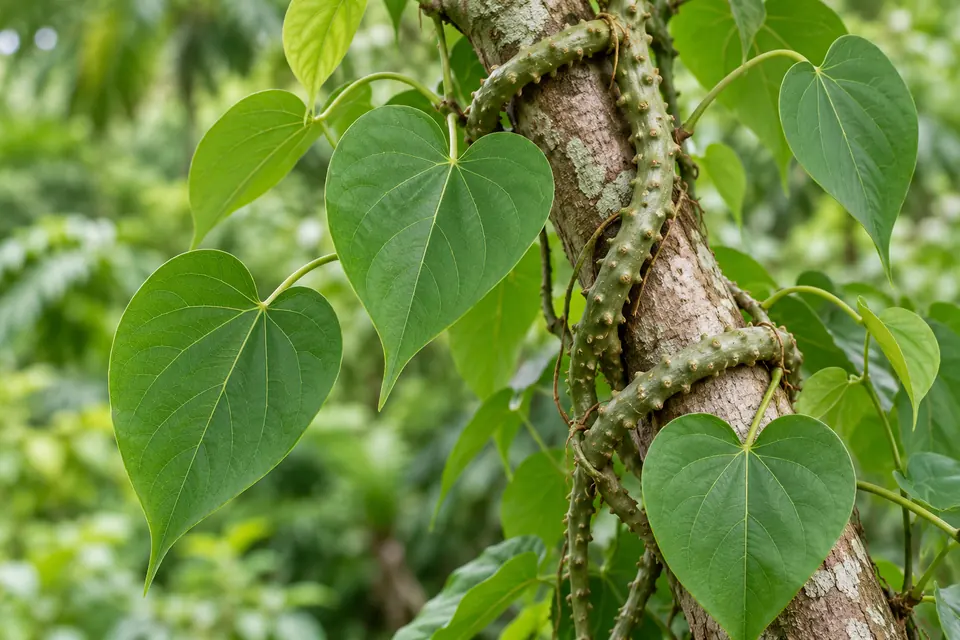
Guduchi
Amrita
Tinospora cordifolia
Traditional qualities & areas of study
Rejuvenating
Antioxidant
Traditionally Restorative
Known as Amrita - 'nectar of immortality' - Guduchi holds an important place among Ayurveda's rejuvenating herbs.
Read more
Traditionally classified as a Rasayana, it is associated with vitality, balance and restoration and is used in a wide range of classical herbal preparations.
AI illustration
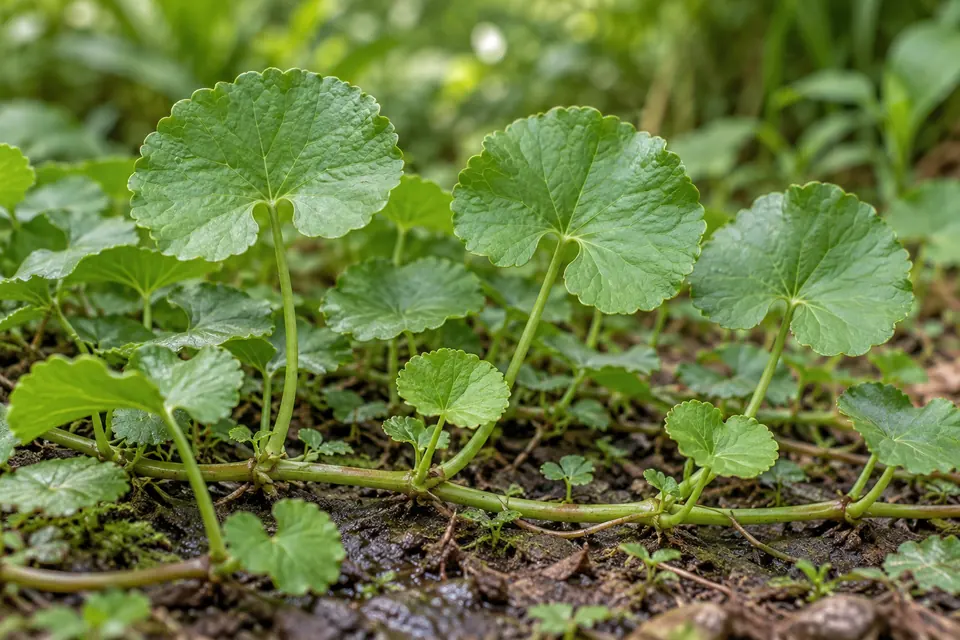
Gotu Kola
Mandukaparni
Centella asiatica
Traditional qualities & areas of study
Rejuvenating
Antioxidant
Skin Support
Mental Clarity
Gotu Kola is treasured in Ayurveda and traditional Asian medicine.
Read more
It is traditionally associated with rejuvenation and mental clarity, while Centella compounds are also widely studied and used in contemporary preparations designed to support healthy skin.
AI illustration
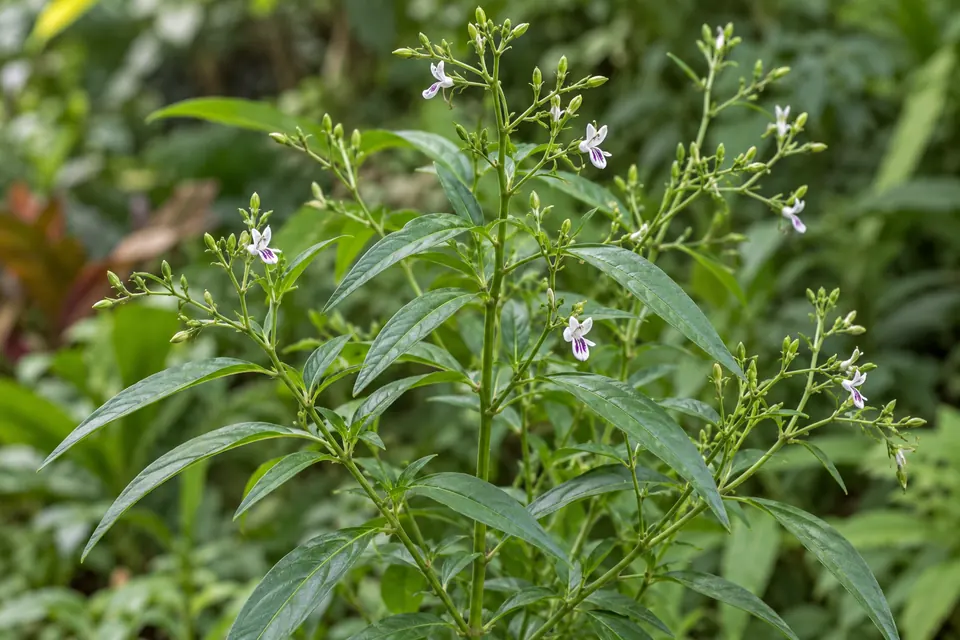
Kalamegha
Andrographis
Andrographis paniculata
Traditional qualities & areas of study
Bitter
Cooling
Antioxidant
Cleansing
Famous for its intensely bitter taste, Kalamegha has a long history in Ayurveda and Asian herbal traditions.
Read more
It is traditionally associated with cleansing, digestion and supporting the body's natural defences, and contains compounds studied for antioxidant and anti-inflammatory activity.
AI illustration
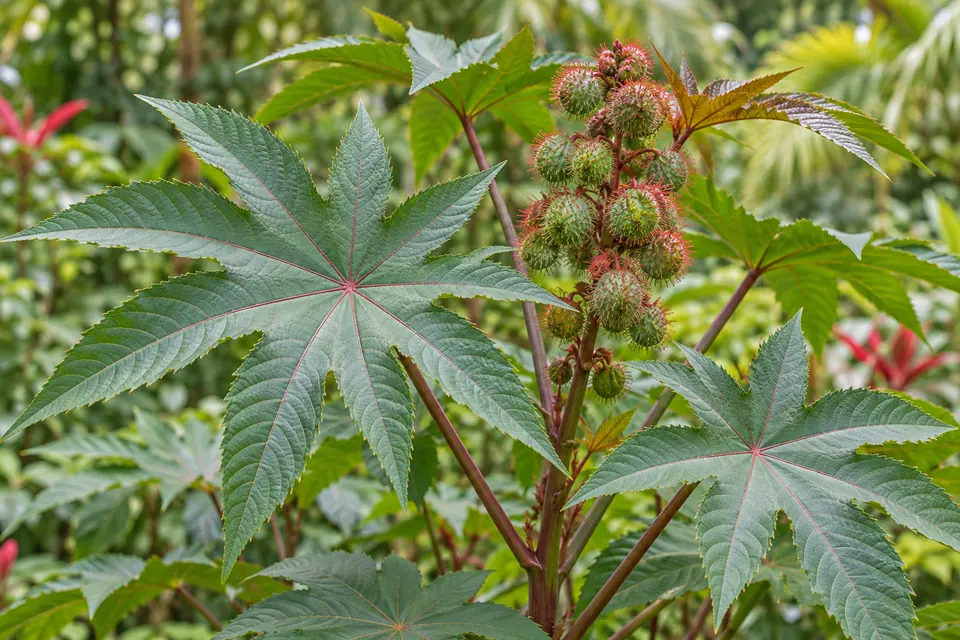
Castor
Eranda
Ricinus communis
Traditional qualities & areas of study
Nourishing
Warming
Soothing
Castor has a long history in Ayurveda.
Raw castor seeds are toxic and are not used directly.
Read more
Properly processed castor oil is rich and emollient and is incorporated into traditional external preparations, including oils and applications associated with muscles and joints.
AI illustration
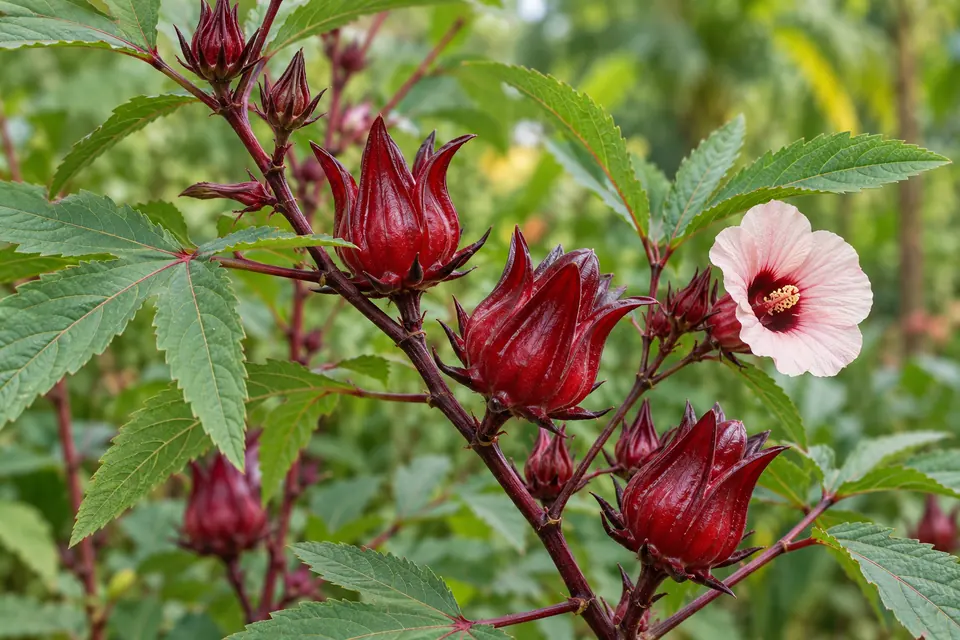
Rosella
Hibiscus sabdariffa
Traditional qualities & areas of study
Antioxidant
Cooling
Refreshing
Skin & Hair
Rosella's vivid red calyces are rich in naturally occurring anthocyanin pigments and other antioxidant compounds.
Read more
Hibiscus preparations are used across traditional wellness and beauty practices.
AI illustration
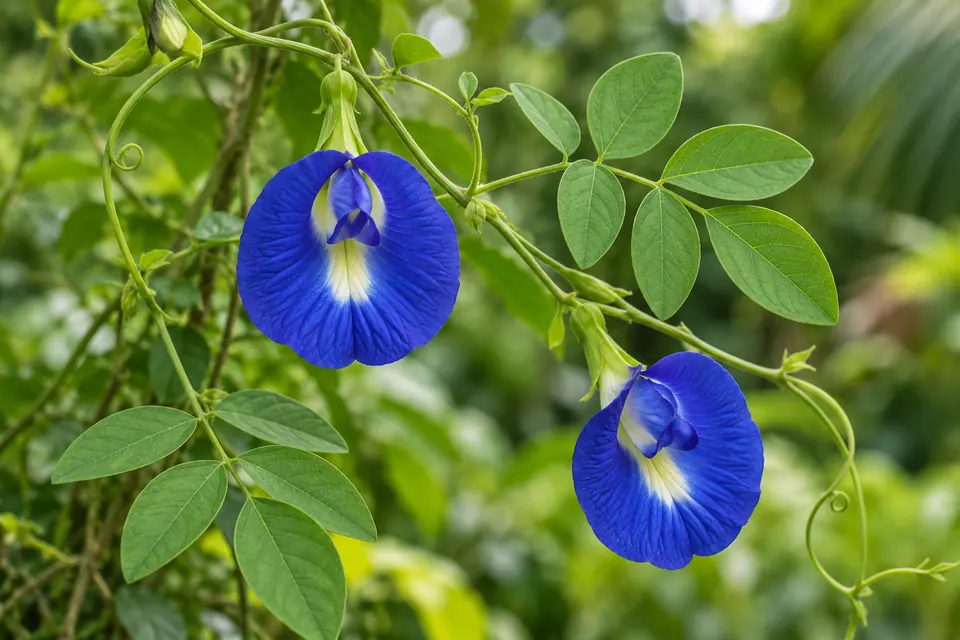
Aparajita
Butterfly Blue Pea
Clitoria ternatea
Traditional qualities & areas of study
Antioxidant
Cooling
Rejuvenating
Traditional Herbal Use
Aparajita is recognised by its striking blue flowers, naturally rich in anthocyanin pigments.
Read more
In Ayurvedic tradition, more than the flower is valued: leaves, roots and other parts of the plant have been used in traditional formulations, including preparations for external and internal use.
AI illustration
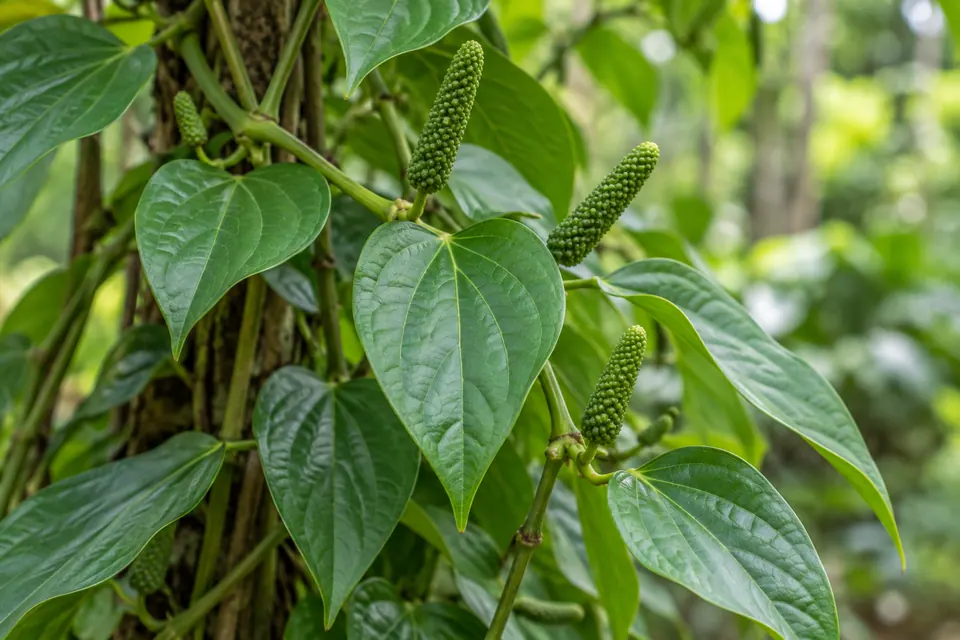
Pippali
Long Pepper
Piper longum
Traditional qualities & areas of study
Warming
Digestive
Stimulating
Respiratory Tradition
Pippali is an important Ayurvedic spice traditionally associated with Agni - the digestive fire - and respiratory wellbeing.
Read more
Its fruits and roots appear in classical formulations, and its warming, penetrating qualities are highly valued in Ayurveda.
AI illustration
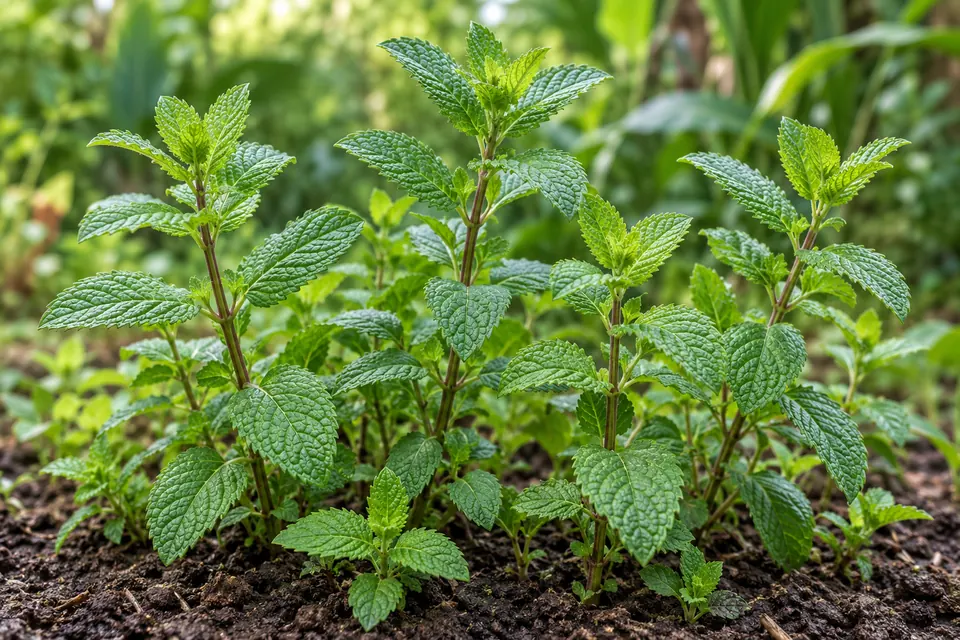
Pudina
Mint
Mentha spp.
Traditional qualities & areas of study
Cooling
Refreshing
Aromatic
Digestive
Mint is valued for its cooling character, fresh aroma and traditional association with comfortable digestion.
Read more
Its leaves and aromatic oils are used in culinary, topical, aromatic and herbal preparations across many traditions.
AI illustration
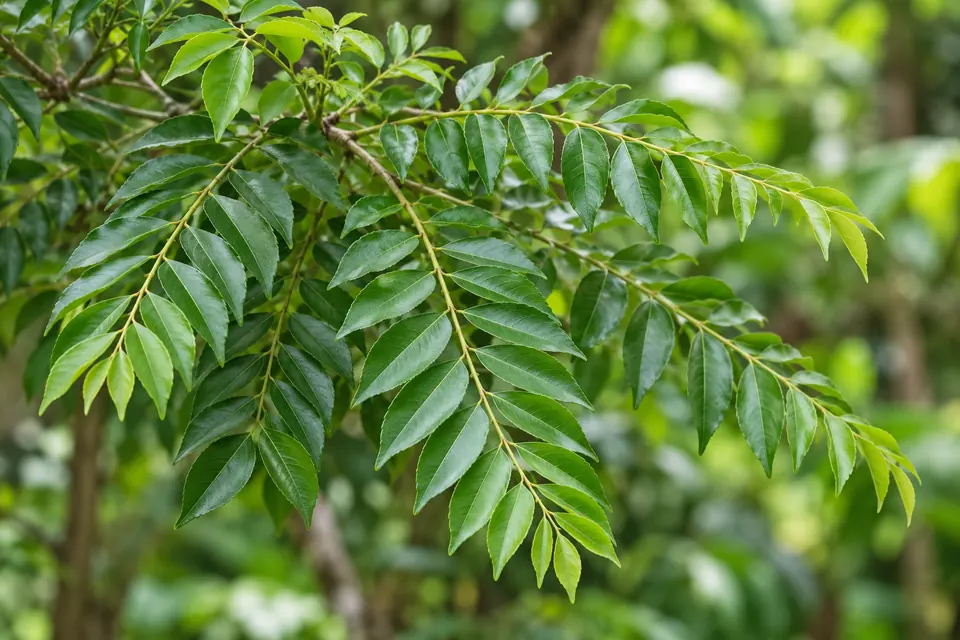
Curry Leaf
Murraya koenigii
Traditional qualities & areas of study
Aromatic
Antioxidant
Nourishing
Curry Leaf is treasured throughout India as both a culinary and traditional herbal plant.
Read more
The fragrant leaves contain naturally occurring antioxidant compounds and have a long history of use in food, hair and traditional wellness preparations.
AI illustration
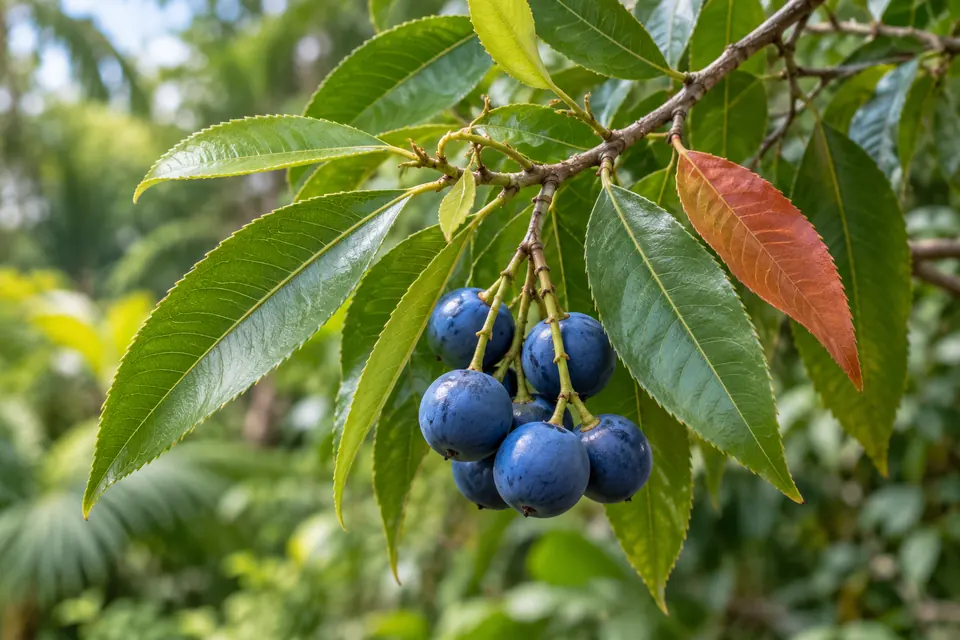
Rudraksha
Elaeocarpus ganitrus
Traditional qualities & areas of study
Sacred
Traditional Medicinal Use
Spiritual Significance
Rudraksha is best known for the sacred seeds used to make mala beads for meditation and mantra, particularly in traditions associated with Lord Shiva.
Read more
The tree also has a history of traditional medicinal use, reminding us that sacred and medicinal plant traditions often overlap.
AI illustration
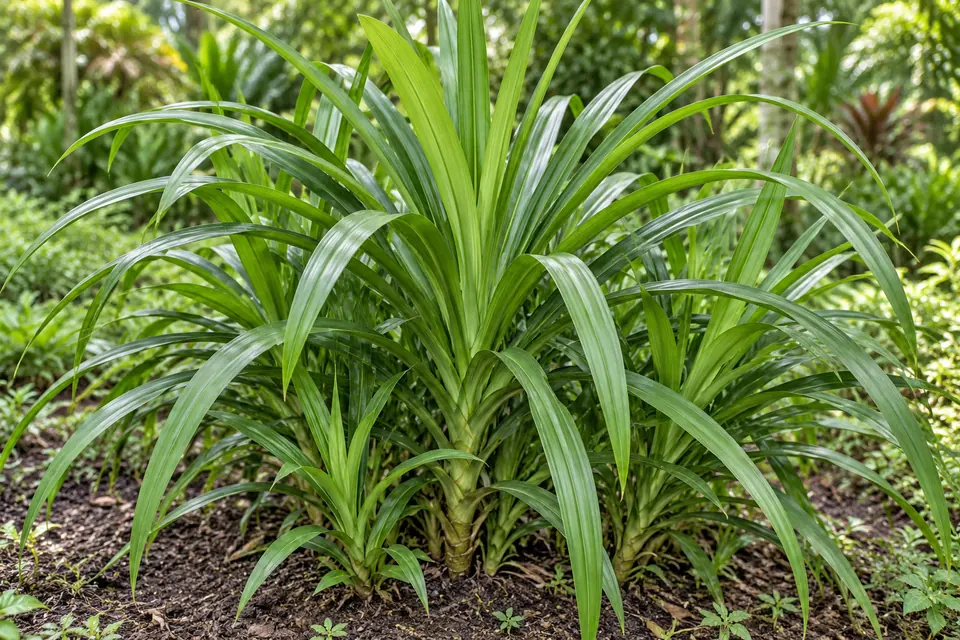
Pandan Leaf
Pandanus amaryllifolius
Traditional qualities & areas of study
Aromatic
Soothing
Traditional Southeast Asian Use
Pandan is one of Southeast Asia's most beloved aromatic plants.
Read more
Its fragrant leaves are used in foods, drinks and traditional preparations, bringing a distinctive sweet, green aroma that is deeply connected with the tropical landscape.
More from our garden
We are confirming the botanical identities of our Rasna, Mugwort and Wormwood before adding detailed profiles.
About these plant profiles
These profiles describe herbal traditions and selected areas of plant research. They are not medical advice or evidence that a preparation treats a condition. Uses depend on the species, plant part, preparation and individual.